


Why Mishima Might Be Japan's Best-Kept Secret for Digital Nomads










When most remote workers picture a stint in Japan, their minds jump straight to the neon canyons of Tokyo, the historic alleys of Kyoto, or the street-food energy of Osaka.
Those cities deserve every bit of their reputation, yet anyone who has worked from Japan for more than a couple of weeks knows the flip side of big-city life: crowded commuter trains, steep accommodation prices, and the quiet isolation that can creep in when everyone around you is rushing from one obligation to the next.
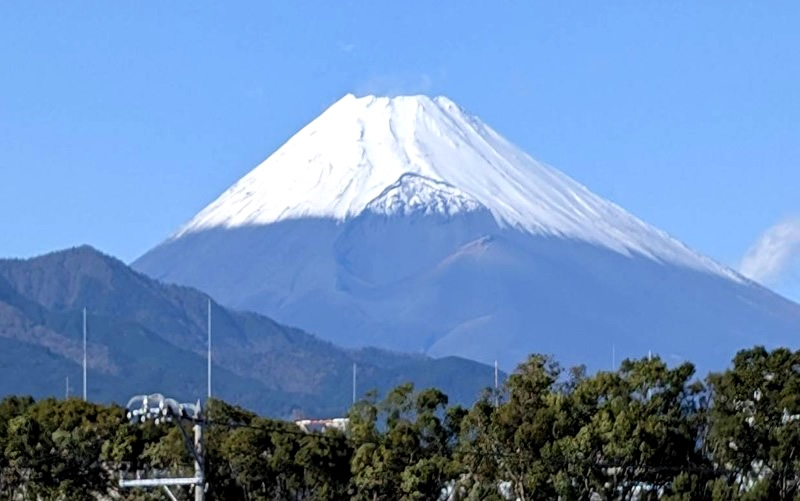
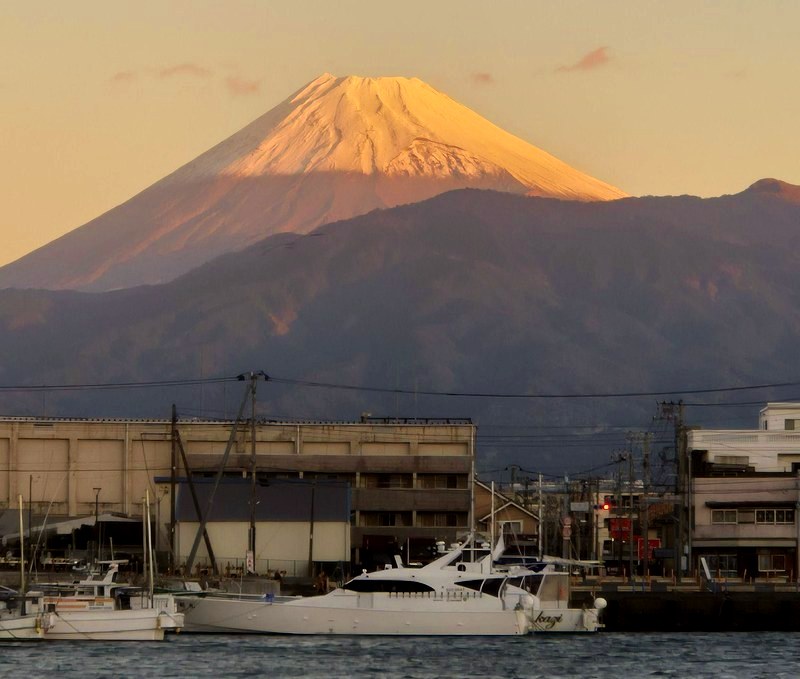
That is why stepping off the Shinkansen in Mishima, a riverside city in Shizuoka Prefecture sitting right at the foot of Mount Fuji, felt like discovering a different frequency altogether.
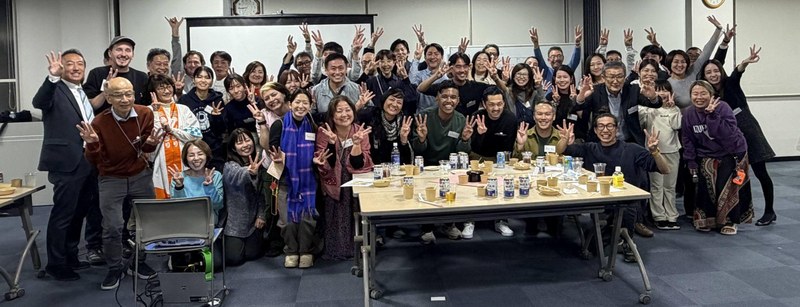
Over 2 unforgettable weeks, I joined nine other international digital nomads for The Node Fuji, also known as the Mishima Nomad Fellowship Program.
Organized in collaboration with Mishima’s local government and tourism team, the initiative brought ten location-independent professionals together to experience daily life in the city, test its remote-work infrastructure, and explore how Mishima can welcome more travelers and remote workers from around the world.
What started as a curiosity about working near Mount Fuji quickly turned into something much deeper. By the end of the fortnight, Mishima did not feel like a destination I had visited. It felt like a community I had temporarily belonged to.
Contents
- Why Mishima Hits the Sweet Spot for Remote Workers
- Three Distinct Coworking Spaces That Anchor the Workday
- 1. Mishima Mirai-ken (Mishima Future Research Institute)
- 2. Workers' Living Mishima Croquette Coworking and Living Space
- 3. LTG Startup Studio
- Where We Stayed: 2 Guesthouses That Felt Like Home
- Beyond the Laptop: Immersive Activities and Local Culture
- Mount Fuji, Soba Making, and Evening Lights at Tokinosumika
- Early Mornings at the Fish Market and Crystal-Clear Springs
- Sacred Traditions at Mishima Taisha Shrine
- Festivals, Mochi Pounding, and Folkloric Crafts
- University Exchanges and Startup Innovation
- CoDoU and the Heartbeat of Mishima’s Community
- The People of Mishima: Hospitality Without Pretense
- The Real Secret to Building a Nomad-Friendly Destination
Why Mishima Hits the Sweet Spot for Remote Workers
For digital nomads, choosing a base often comes down to an uncomfortable compromise. Big cities give you reliable Wi-Fi, endless cafes, and easy transport, yet they rarely offer genuine neighborhood connection. Small towns give you peace, nature, and authenticity, yet they can sometimes leave you struggling with logistics, limited workspaces, or language barriers.
Mishima manages to bridge that divide remarkably well.
Located less than an hour from Tokyo via the Tokaido Shinkansen, the city is effortlessly connected. You can reach major hubs or international airports without complicated transfers, yet the moment you walk out of Mishima Station, the pace drops.
Clear, spring-fed streams fed by melted snow from Mount Fuji wind right through the town center, lined with willow trees, stone paths, and small bridges where locals stop to chat.
Everything you need for comfortable day-to-day living is within easy walking or cycling distance. Supermarkets, pharmacies, specialty coffee shops, casual eateries, and neighborhood izakayas sit side by side without the overwhelming scale of a metropolis.
Better yet, Mishima is compact enough that after just three or four days, you start recognizing familiar faces on your morning walk, getting warm nods from shopkeepers, and feeling grounded in a way that rarely happens during short-term travel.
Three Distinct Coworking Spaces That Anchor the Workday
A great nomad town needs more than pretty scenery; it needs spaces where you can actually focus, take calls, and get real work done. During our stay, we rotated through three distinct coworking hubs, each bringing its own personality and strengths to the table.
1. Mishima Mirai-ken (Mishima Future Research Institute)
If you want a workspace that blends productivity with calm, natural surroundings, Mishima Mirai-ken is hard to beat. Set alongside a wonderful garden and paired with a great coffee spot on site, it became one of our favorite morning routines.
Grabbing a fresh cup of coffee, looking out onto greenery, and settling into a quiet desk made early work sessions effortless. It is the kind of environment that reminds you why you chose location independence in the first place.
Website: https://mishima-mirai.com/coworking
2. Workers' Living Mishima Croquette Coworking and Living Space
True to its name, Workers' Living Mishima Croquette captures a warm, lived-in atmosphere that feels immediately welcoming. Designed around both working and living, it offers a comfortable, community-oriented setting where remote workers can settle in for deep focus while still feeling connected to the local neighborhood.
It reflects Mishima’s unpretentious charm: practical, friendly, and built for real human interaction rather than sterile corporate routines.
Website: https://www.crqt.work
3. LTG Startup Studio
For founders, builders, and entrepreneurs looking for higher-octane innovation energy, LTG Startup Studio is a dedicated startup studio and membership-based workspace designed to help entrepreneurs launch and scale businesses from a local hub onto a global stage.
Working out of LTG gave us a front-row look at Shizuoka’s growing entrepreneurial ecosystem. It is modern, ambitious, and proof that you do not need to sit in central Tokyo to build globally relevant projects.
Website: https://www.ltg-startupstudio.jp
Having all three spaces available meant we could match our workspace to our mood and workload, whether we wanted garden-side calm, cozy neighborhood comfort, or startup momentum.
Where We Stayed: 2 Guesthouses That Felt Like Home
Where you sleep shapes how you experience a city, and our 2 accommodations in Mishima set the bar high for nomad hospitality.
Giwa Guesthouse was a standout base for our stay. Thoughtfully designed, welcoming, and ideally positioned for exploring town on foot, Giwa made it easy to transition from work mode to social mode. Whether sharing morning coffee with fellow participants or winding down after a long evening out, it had the warmth and character that standard business hotels simply cannot replicate.
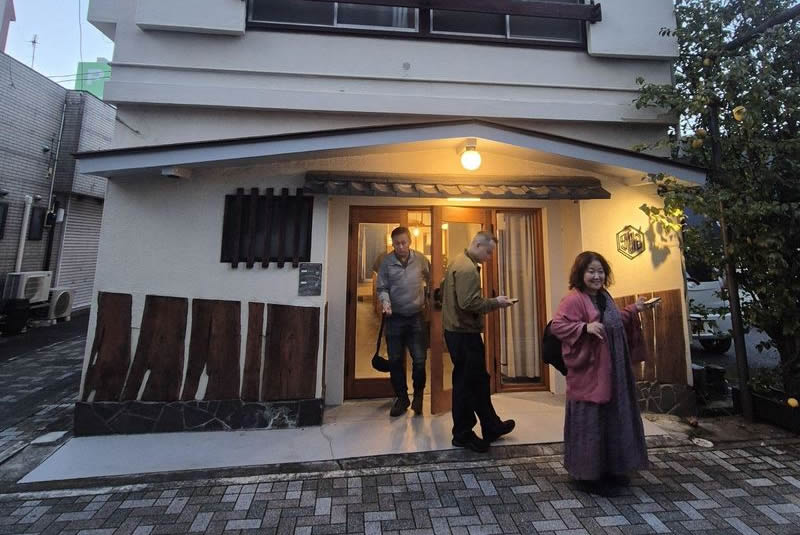
Toka Guesthouse offered an equally memorable experience, reinforcing how well Mishima understands slow travelers. Comfortable, inviting, and deeply connected to the rhythm of the neighborhood, it felt less like checking into a commercial property and more like being welcomed into a well-cared-for home. Between Giwa and Toka, we never felt like transient tourists passing through; we felt rooted in town.
Beyond the Laptop: Immersive Activities and Local Culture
What truly elevated the Mishima Nomad Fellowship Program was how deeply our hosts integrated us into the life of the region. Rather than keeping us inside a conference room or behind a curated tourist curtain, the schedule opened doors to traditions, institutions, and everyday gatherings across Mishima and wider Shizuoka.
Mount Fuji, Soba Making, and Evening Lights at Tokinosumika
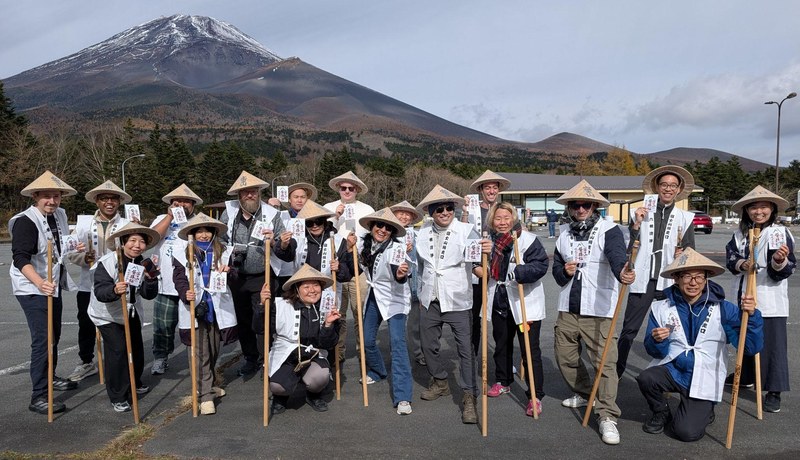
Our Autumn Mount Fuji tour was an unforgettable highlight. Exploring the foothills around Sangen-jaya and trying our hands at traditional soba noodle making gave us a tactile appreciation for local culinary craft.
That evening, we stayed at Tokinosumika, a beloved local resort destination filled with dazzling illumination lights, a generous buffet dinner, and relaxing hot spring onsens. What made Tokinosumika especially charming was seeing so many local families out enjoying the evening together, giving us a genuine slice of weekend leisure in Shizuoka.
Early Mornings at the Fish Market and Crystal-Clear Springs
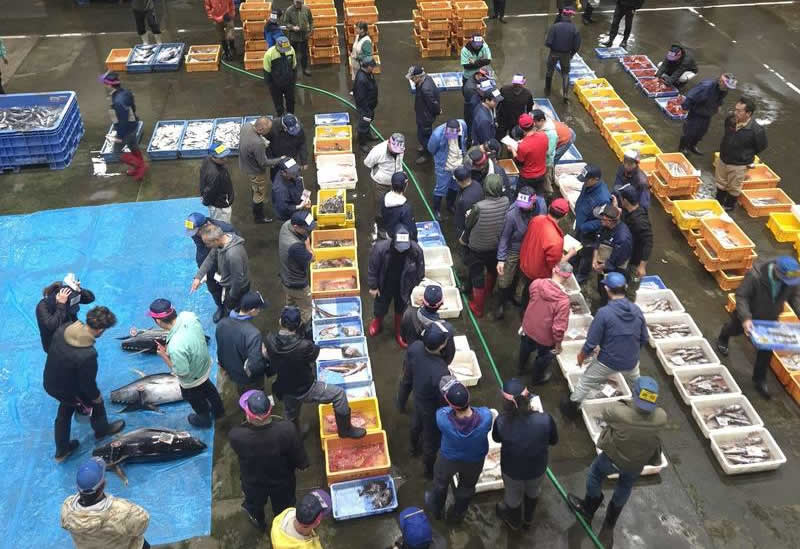
One morning, we woke up before dawn to visit the Numazu port fish market and auction, watching the fast-paced energy of the coastal trade firsthand before sitting down to an unbeatable fresh port breakfast.
Afterward, we visited the Kakita River Springs, where crystal-clear water filtered through Mount Fuji’s volcanic rock bubbles up out of the earth. Standing beside water that pure and cold puts the entire region’s geography into perspective.
Sacred Traditions at Mishima Taisha Shrine
Mishima’s spiritual and cultural roots run deep, and we were fortunate enough to experience them up close rather than merely observing from the sidelines. During our visit to the historic Mishima Taisha Shrine, a few of us took part in a traditional Misogi purification ceremony held to honor and respect the harvest.
Stepping into the cold, clear stream water that runs throughout Mishima was an exhilarating, humbling moment that none of us will ever forget.
Festivals, Mochi Pounding, and Folkloric Crafts
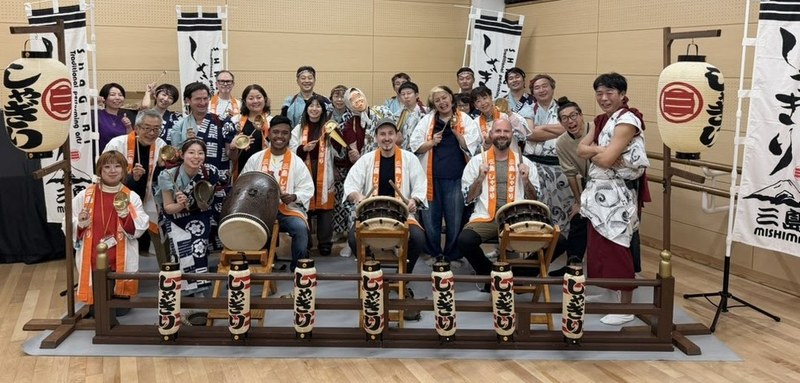
Throughout our two weeks, we threw ourselves into local festivals and hands-on folkloric activities alongside residents. We joined in mochi making at the Mishima Food Festival, tried traditional Japanese sweet making (wagashi), and listened to Shagiri, Mishima’s traditional festival music whose rhythmic flutes and drums echo through the city during celebrations.
Participating side by side with locals turned cultural education into shared joy.
University Exchanges and Startup Innovation
The program also highlighted Mishima’s forward-looking side. We visited Nihon University and spent an inspiring afternoon meeting with students from the Faculty of International Relations. Hearing their perspectives on Japan, global careers, and cross-cultural exchange sparked lively, thoughtful conversations on both sides.
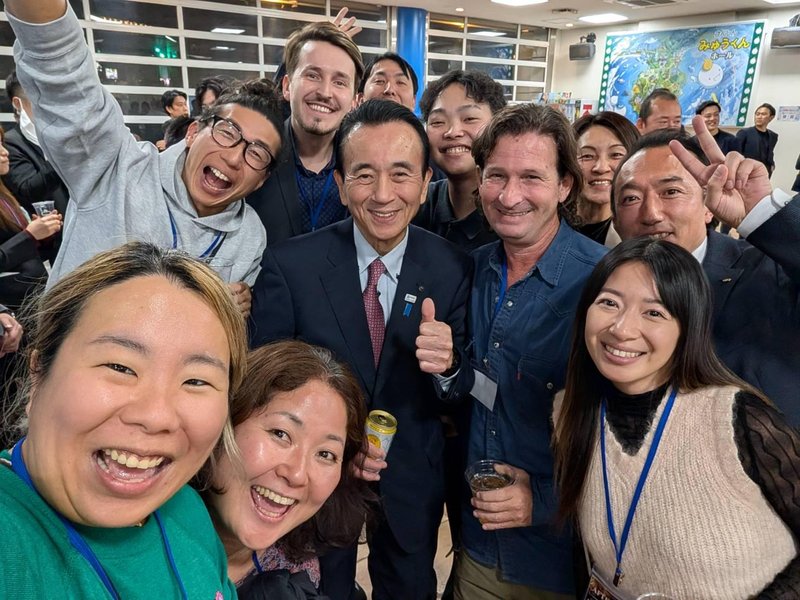
On another afternoon, we attended a local startup pitch event with the Governor of Shizuoka in attendance, underscoring just how seriously regional leadership is investing in innovation and international collaboration.
CoDoU and the Heartbeat of Mishima’s Community
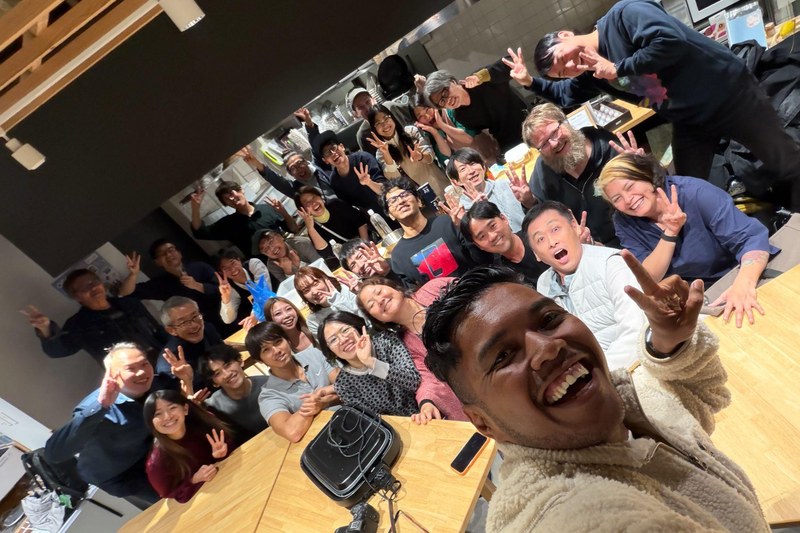
If there was one place that symbolized the spirit of our stay, it was CoDoU, a local health and community center in Mishima. CoDoU served as a true gathering hub where barriers between "visitors" and "locals" simply dissolved.
One of our favorite memories was organizing potluck dinners at CoDoU, where we cooked dishes from our home countries and invited members of the local community to share the table with us. Watching Mishima residents try unfamiliar recipes, swap stories over home-cooked food, and laugh across language differences was pure magic.
Instagram: https://www.instagram.com/codou_mishimachi
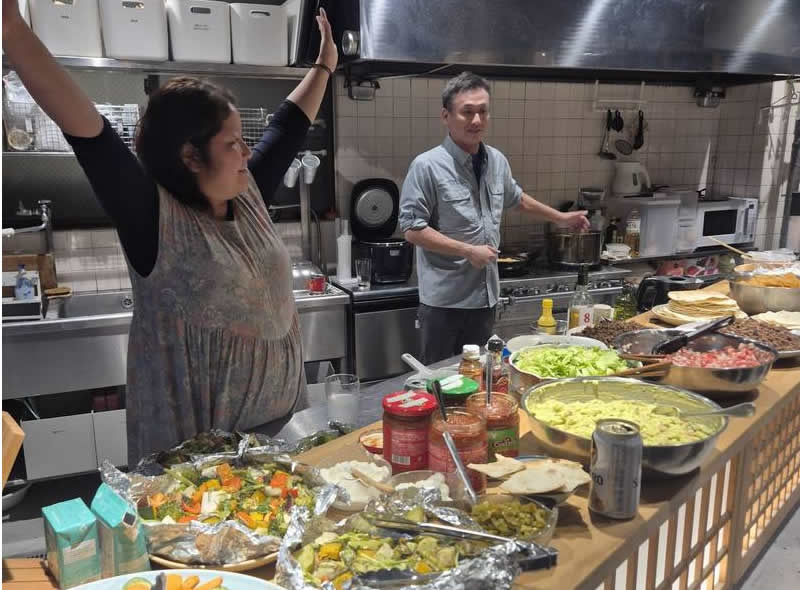
Beyond special events, the regular everyday activities hosted for local residents turned out to be the very best places to connect. Whether joining casual yoga sessions, evening parties, neighborhood izakaya dinners, or late-night karaoke where everyone cheered each other on regardless of singing ability, we were welcomed without hesitation.
The People of Mishima: Hospitality Without Pretense
Every digital nomad talks about infrastructure, Wi-Fi speeds, and cost of living, yet ask anyone what makes them fall in love with a place, and the answer is almost always the people.
In Mishima, the warmth of the local community was extraordinary. Again and again, residents went out of their way to help us, explain local customs, recommend hidden spots, and make sure we felt comfortable.
Even when neither side shared a fluent common language, people leaned in with patience, humor, and genuine curiosity. Nobody treated us like outsiders passing through for photos; people treated us like neighbors they were excited to get to know.
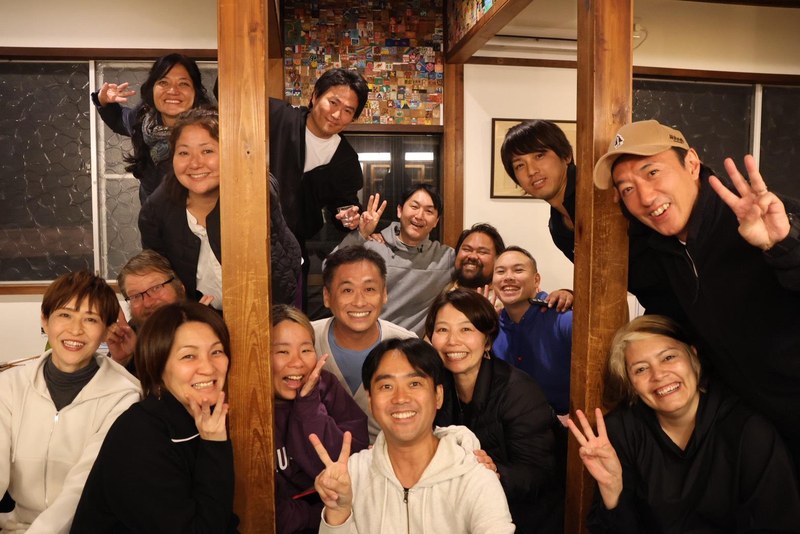
Behind the scenes, an incredible group of organizers and facilitators made this seamless experience possible. Heartfelt credit goes to Mishima’s local government and tourism agency, and to Kome, Miwa, Moe, and Elena, who poured immense care, planning, and energy into bringing this program to life.
Equally vital were our community managers, Vitto and Vaclav, who kept the group connected, bridged cultural nuances, and ensured every day ran smoothly.
The Real Secret to Building a Nomad-Friendly Destination
Visiting Mishima offered a clear lesson for cities across Japan and around the world that hope to attract remote workers and digital nomads.
Great coworking spaces, reliable trains, comfortable guesthouses, and stunning scenery like Mount Fuji all matter enormously. They create the foundation that makes working remotely possible. Yet infrastructure alone does not create belonging, and without belonging, international visitors rarely stay long or become true ambassadors for a city.
The real key to success is having a local community manager who speaks English and genuinely understands the needs of international digital nomads.
When a destination has someone on the ground who can translate not just words, but expectations, cultural rhythms, and social introductions, everything clicks into place.
A skilled bilingual community manager turns an intimidating language barrier into an open door, connects remote workers with local residents who are eager to meet them, and transforms a city from a place on a map into a living community.
Mishima proved what happens when visionary local leadership, welcoming residents, thoughtful workspaces, and strong community management come together.
If you are a digital nomad or remote worker planning time in Japan, do yourself a favor: look beyond the usual big-city circuit and put Mishima on your list. You might arrive for the view of Mount Fuji, but you will leave thinking about the people who made it feel like home.
Visit Mishima Instagram: https://www.instagram.com/visit_mishima/